Solar Power in the City
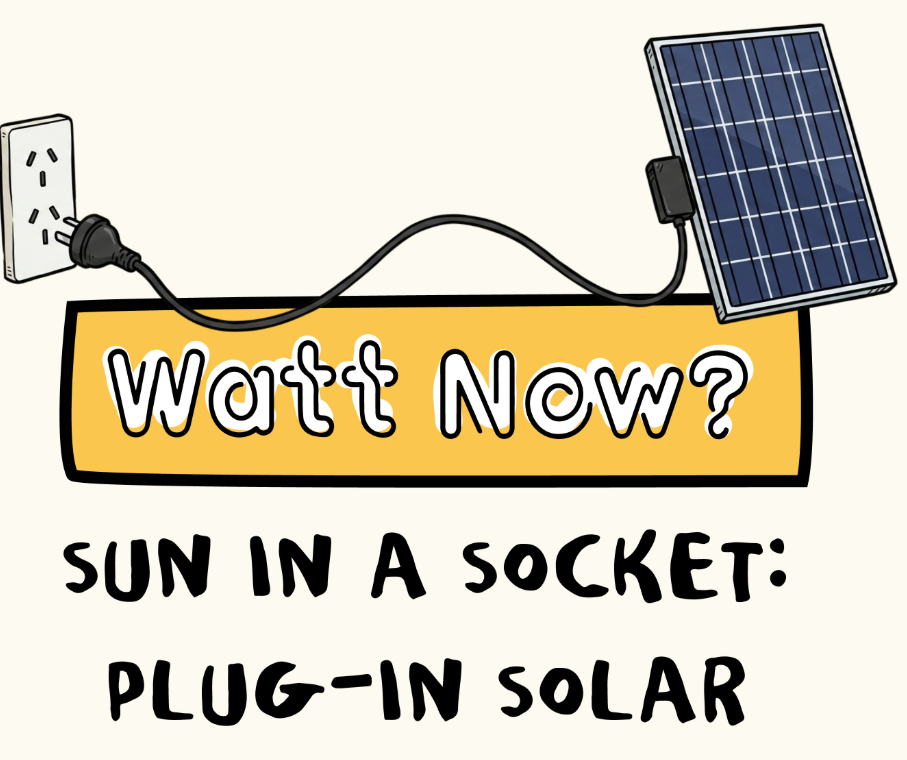
The cost of electricity is climbing and many residents in our inner-city apartments might be looking at alternatives.
Retro-fitting solar to the roofs of apartment buildings might be one way - but probably an expensive and untested option for Wellington at this stage.
So the good news is that Rewiring Aotearoa has been working on something that might work within an apartment.
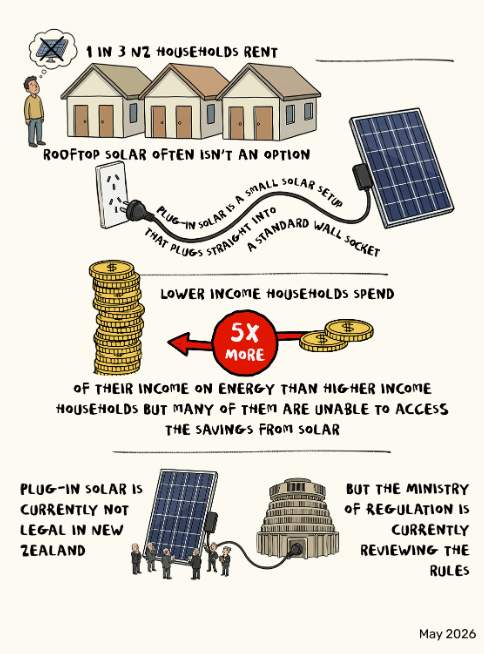
Here’s an extract from their info sheet.
Plug-in solar (also known as portable solar or balcony solar) are small photovoltaic systems, typically one or two panels paired with a microinverter, that connect to a home through a standard wall socket.
The microinverter is not separate but rather affixed to the back of the panels. This means the system arrives ready to use: there's no additional equipment to source, no separate installation and no electrician needed to wire components together. Everything that converts sunlight into usable electricity is built in. It is plug and play.
By plugging into your standard wall socket, the electricity your panels generate flows directly into your home's circuits where your appliances draw from it first, mixing with grid electricity to meet your total energy consumption needs.
Generally kits will come with mounting brackets that allow the panels to be installed on a balcony, terrace, roof or on the ground. You identify where’s most optimal for the household layout and energy generation, then mount them, run the cable to the nearest wall socket, and that's it.
In Germany, they’re most commonly found on balconies and called Balkonkraftwerk, best translated as “balcony power plant.” Savvy plug-in panel owners may choose to change their location or orientation, over their lifetime or even throughout the day, to maximise energy production. In addition to their size, it’s their flexibility and portability that sets them apart from fixed rooftop systems.
Read more here
____________
__________
POWER SUPPLY IDEAS -
EV CHARGERS
An informaation sheet to support Body Corporate discussions
Rewiring Aoteaora has prepared this information sheet that explores installing EV Chargers in apartment buildings.
________
An EV charger could run a home
An EV with two-way charging could run a home for around 3 days and homes with solar and batteries could run in second gear until things are back up and running.
________
How solar can be used in emergencies
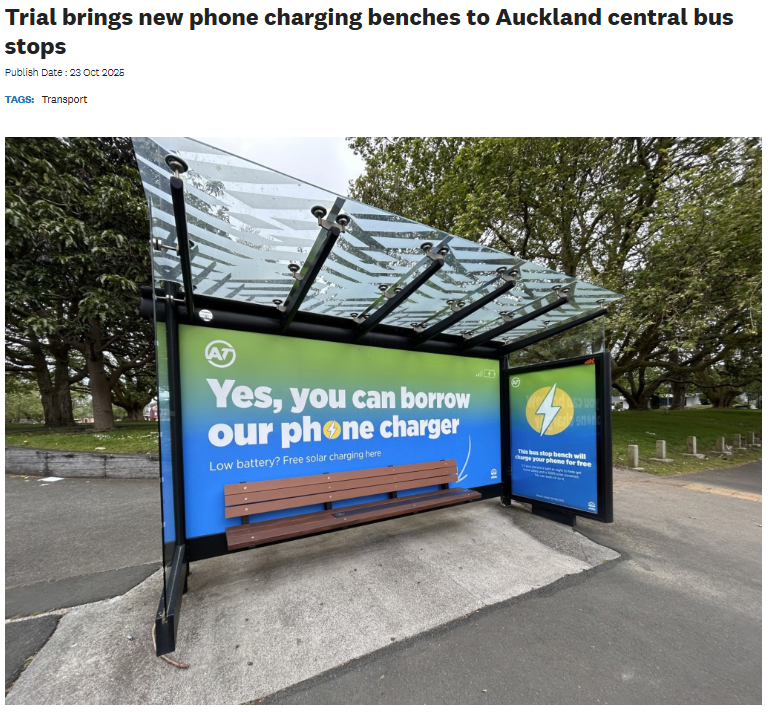
Auckland Transport (AT) has launched a trial of smart, solar powered benches at four busy city centre bus stops.
The ‘SmartBeam’ benches are 100% solar powered, seamlessly integrate into existing street furniture and offer both wireless, USB and USBC charging ports.
The benches also have LED lighting; which provides additional comfort and safety to those travelling at night.
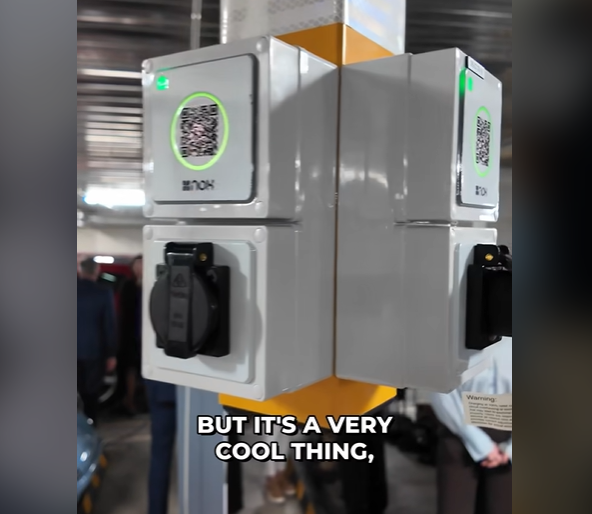
How EV chargers are being used in an Australian apartment complex (video)
This is a a video clip about how EV chargers are being used in an apartment complex in Australia