An Augmented Wellington
Sometimes Wellington feels like a character in its own Wellywood movie.
In our story, a battered and bruised Wellington is slowly climbing back to its feet — shaking itself off, rediscovering a bit of confidence, sparking hope amongst its people.
Then suddenly, somewhere on the horizon, an enormous form full of smoke and menace rises up and begins to loom over the landscape.
For a city shaped so deeply by public service, creativity, education, hospitality, research, and community organisations, the recent announcements of public sector cuts and job losses feel personal. Not abstract. Personal.
Wellington is full of people whose work quietly holds things together, expands our knowledge, and strengthens our communities — often without much fanfare.
That’s why this news has landed so heavily for many people. It feels cruel. It feels as though the human side of the story is missing altogether.
Most good movies are built around the hero’s journey. The hero leaves familiar ground, faces uncertainty, survives setbacks, and eventually returns changed. Usually there’s help along the way too — a steady hand, a wise guide, a Sam to a Frodo.
Could Wellington write its own script, rather than simply acting out one written by disconnected others?
Instead of casting AI as the lead character that replaces the things that make Wellington Wellington — intelligence, care, creativity, judgement, public service, neighbourliness — could we instead make it a supporting character that helps us do these things better, faster, and in ways that advance rather than diminish our human journey.
Wellington has reinvented itself before.
Maybe we should rewrite the role from ‘AI - the villain’ to AI - the helping hand — a story in which we put AI to work deliberately and carefully in ways that advance not diminish our very personal human journey.
____________
What could we get AI to do for us? Here are some prompts
Emergency Planning: AI — what do you think?
how could you help us identify vulnerable residents during disasters while protecting privacy and dignity?
how could apartment buildings become semi-autonomous “lifeboat buildings” during earthquakes, storms, or infrastructure failures?
how could you help neighbours check on one another when communications are disrupted?
how could you map resilience gaps across inner-city Wellington?
how could you improve emergency communication for people living in apartments, including migrants, elderly residents, disabled residents, and people without strong social networks?
how could you help residents prepare for being isolated for days after a major earthquake?
how could you help community organisations coordinate volunteers, supplies, and information in real time?
how could you identify which buildings or neighbourhoods might struggle most during prolonged power or water outages?
how could you help residents practise emergency scenarios before disasters occur?
how could you help turn local knowledge into practical preparedness plans instead of leaving resilience solely to institutions?
Public Service: AI — what do you think?
how could you remove repetitive paperwork so public servants can spend more time helping people?
how could you help overstretched agencies respond faster and more compassionately?
how could you preserve institutional knowledge when experienced workers leave?
Hospitality & Tourism: AI — what do you think?
how could you help make Wellington the most welcoming small capital city in the world?
how could you help small cafés, bars, and venues survive difficult economic times?
how could you help visitors discover the hidden stories and creativity of the city?
Community & Social Connection: AI — what do you think?
how could you reduce loneliness in high-density apartment living?
how could you help neighbours connect safely and meaningfully?
how could you strengthen belonging in a rapidly changing city?
Urban Life & Infrastructure: AI — what do you think?
how could you help us redesign inner-city living to be greener, calmer, and more resilient?
how could you help reduce waste, litter, congestion, and pollution?
how could you help residents better understand how the city actually functions beneath the surface?
Wellington’s Future: AI — what do you think?
what opportunities are we not seeing yet?
what kinds of jobs and industries could Wellington grow next?
how could creativity, research, education, and public service evolve rather than disappear?
how could humans and AI work together instead of competing against one another?
_______
Here are some scenarios to prompt your thinking
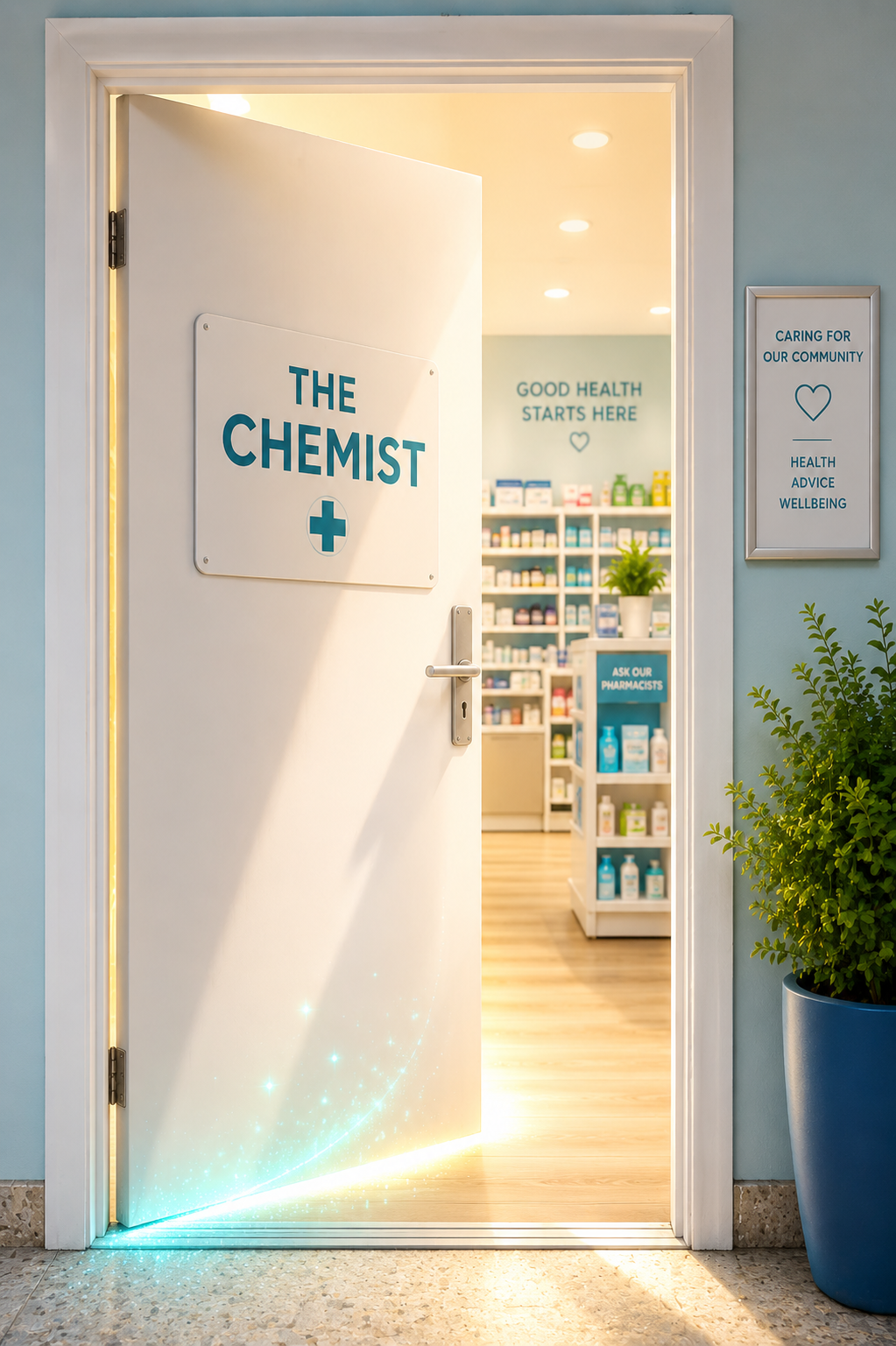
It’s 2028 - What is AI doing in this Chemist Shop
A pharmacist on Willis Street is helping a customer who has been discharged from Wellington Hospital with several new medications.
What is AI doing here?
Checking medication interactions.
Searching medical databases.
Identifying potential risks.
Generating recommendations for pharmacists.
What are humans doing?
·Advising customers.
Exercising professional judgement.
Explaining treatment options.
Building trust.
What new jobs have been created?
AI safety auditors.
Digital health advisors.
Clinical data specialists.
Pharmacy technology trainers.
__________
What is AI doing here?
Predicting customer demand.
Forecasting stock requirements.
Reducing food waste.
Assisting with scheduling.
What are humans doing?
Cooking meals.
Serving customers.
Designing menus.
Creating hospitality experiences.
What new jobs have been created?
Hospitality technology consultants.
Food waste analysts.
Customer experience designers.
Restaurant systems specialists.
__________
It’s 2028 - what is AI doing in this Restaurant?
‘Wellington on a Plate’ is underway and the city is full of hungry people.
It’s 2028 - what is AI doing in this Apartment Building?
Residents of a new 15-storey apartment building in Te Aro are working together to reduce waste, lower energy use, and prepare for future emergencies.
What is AI doing here?
Improving recycling accuracy.
Monitoring energy use.
Detecting maintenance issues.
Supporting emergency preparedness.
What are humans doing?
Managing the building.
Supporting residents.
Organising preparedness activities.
Making decisions.
What new jobs have been created?
Building resilience coordinators.
Smart building technicians.
Sustainability advisors.
Circular economy specialists.
__________
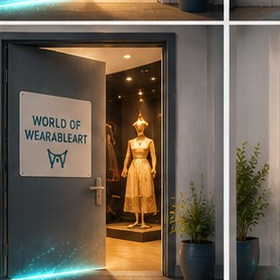
It’s 2028 - What is AI doing behind the scenes at the World of Wearable Art (WOW)?
The WOW organisers and designers from around the world are in town working on the show’s new format.
What is AI doing here?
Helping designers visualise concepts.
Simulating fabrics, movement, and lighting.
Creating digital prototypes before physical construction.
Assisting with logistics and scheduling.
Analysing audience feedback.
Supporting international marketing.
What are humans doing?
Imagining new artistic concepts.
Designing garments.
Building wearable artworks.
Choreographing performances.
Producing the show.
What new jobs have been created?
Digital costume visualisers.
Wearable technology designers.
Creative AI production specialists.
Immersive experience designers.
Digital exhibition curators
__________